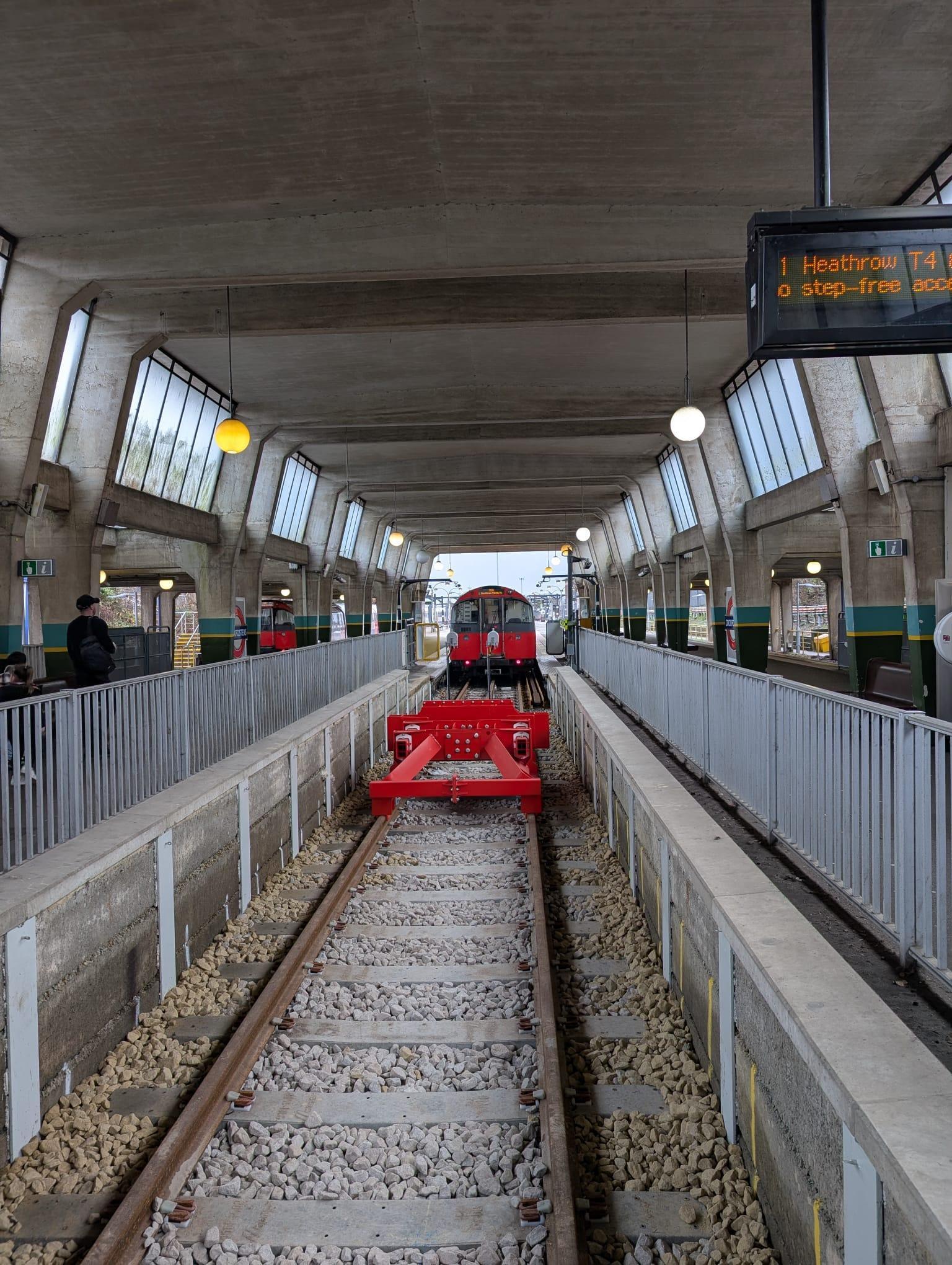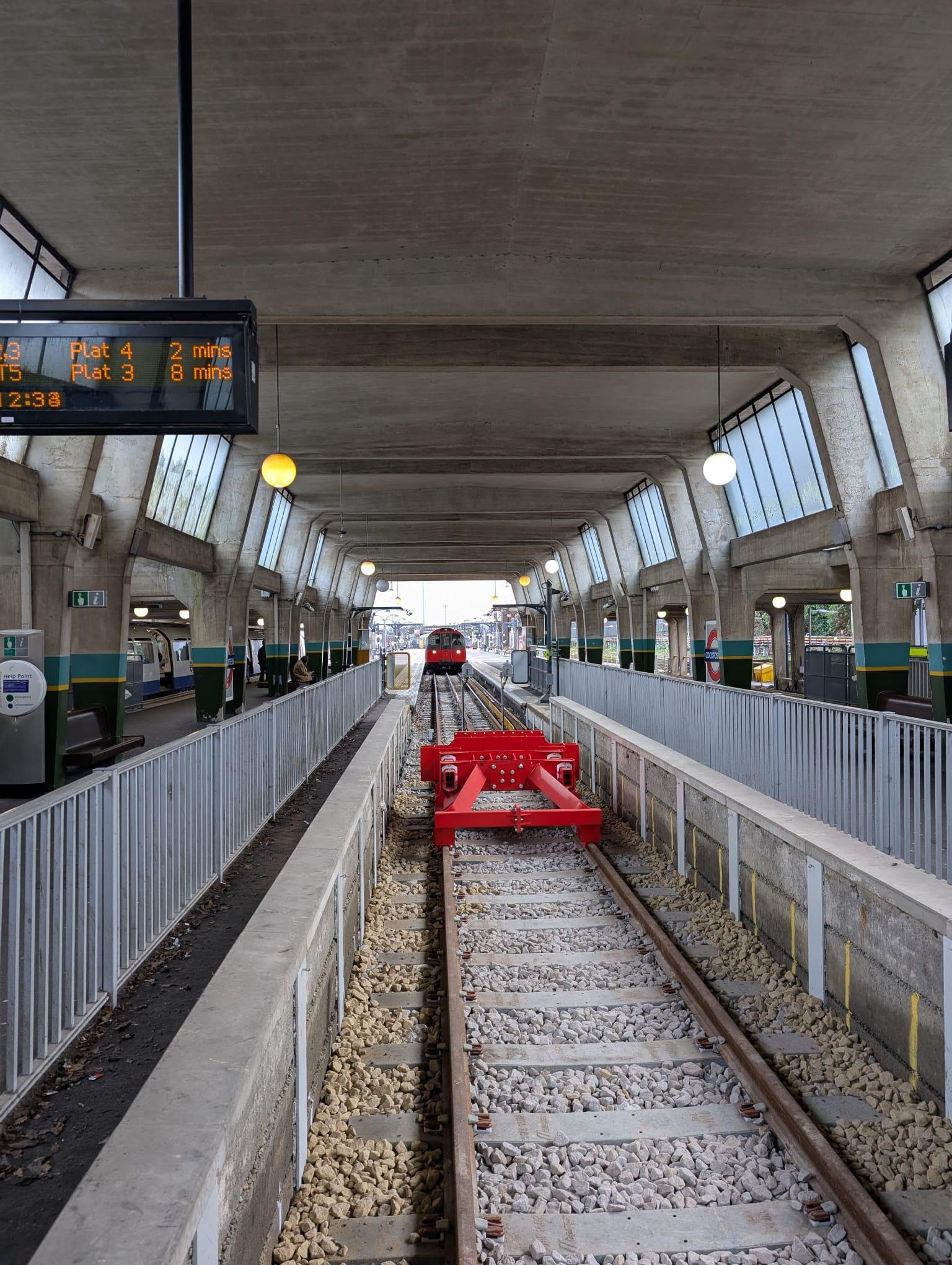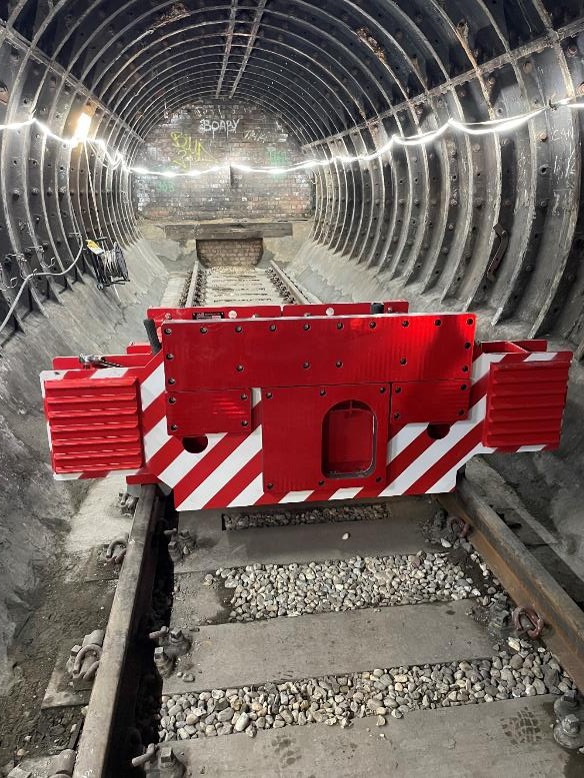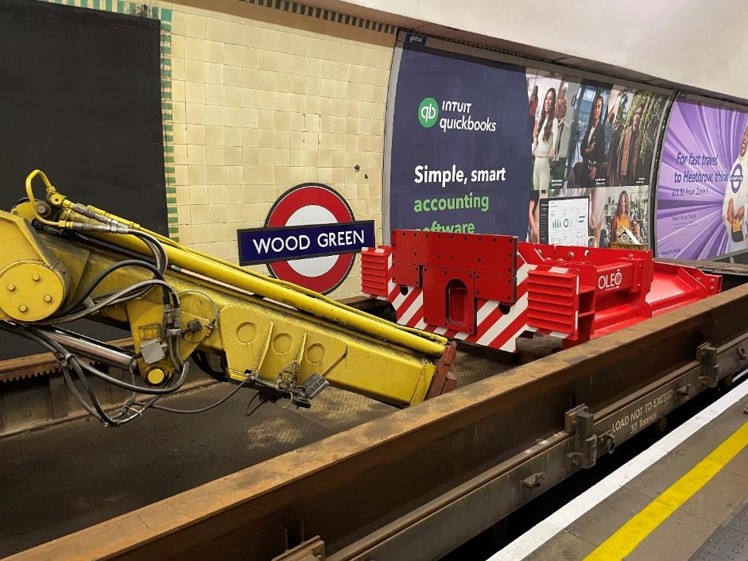

Oleo Hydraulic Friction Buffer Stop Upgrades on the Piccadilly Line
INTRODUCTION
Buffer stops are the critical final line of defense at terminal stations, depots, and bay platforms across global rail networks. Designed to absorb massive kinetic energy during an overrun, fixed and friction buffer stop systems protect passengers, train crews, rolling stock, and station infrastructure from catastrophic impacts.
Transport for London (TfL) operates one of the world’s most intensive underground networks. The core trunk of this system is the Piccadilly Line, a deep-level Tube route connecting key destinations including Heathrow Airport, London’s West End, and major operational hubs across North and West London such as Northfields, Wood Green, and Cockfosters.
With the introduction of new tube stock, TfL required a comprehensive engineering assessment to validate the the existing buffer stop installations across multiple station roads. To maintain safety standards and support infrastructure modernisation across key depots and termini, the buffer stops needed to be replaced.
CHALLENGE
TfL needed to replace aging buffer stops across Cockfosters, Wood Green, and Northfields stations with modern Oleo Hydraulic Friction Buffer Stops. The primary engineering challenge was to design a hardware solution that maximised energy absorption within severe spatial limits while managing deceleration forces.
The project evaluated 9-car rakes collision scenarios for both existing 1973 Tube Stock (73TS) and the incoming Siemens 2024 Tube Stock (24TS) at a total train mass of ~160 tonnes (AW0 tare condition):
- Strict Track Footprint: The complete buffer stop assembly had to fit within a tight maximum track occupancy limit of 9.10 m (with an absolute installation envelope limit of 10.325 m).
- Deceleration Control: The energy dissipation profile needed to be carefully tuned to minimise peak impact forces, protecting passenger safety and preserving vehicle chassis integrity.
- Dual-Fleet Compatibility: The physical solution had to be engineered to safely stop two distinct generations of rolling stock: the legacy 1973 Tube Stock (73TS) and the Siemens 2024 Tube Stock (24TS).
- Impact Velocity: 19 km/h (5.28m/s) un-braked initial speed scenario.
- Approach Braking: Factoring in automated emergency brake application initiated 0.2 seconds after tripcock activation, reducing train speed prior to impacting the buffer faceplate.
- Environmental Factor: Applying a conservative wet-rail braking rate (1.1 m/s2) due to exposed track approaches near station mouths.
SOLUTION
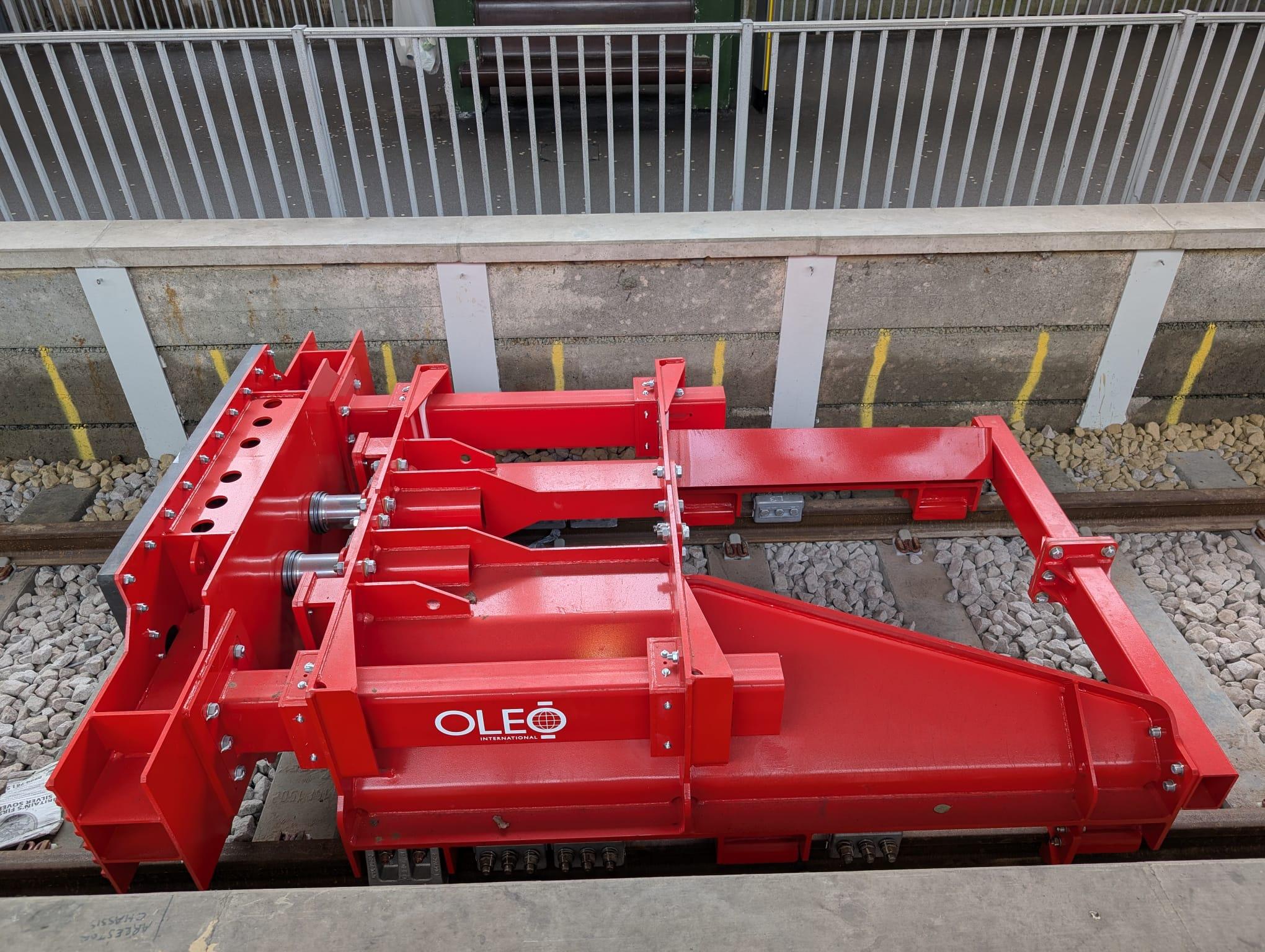
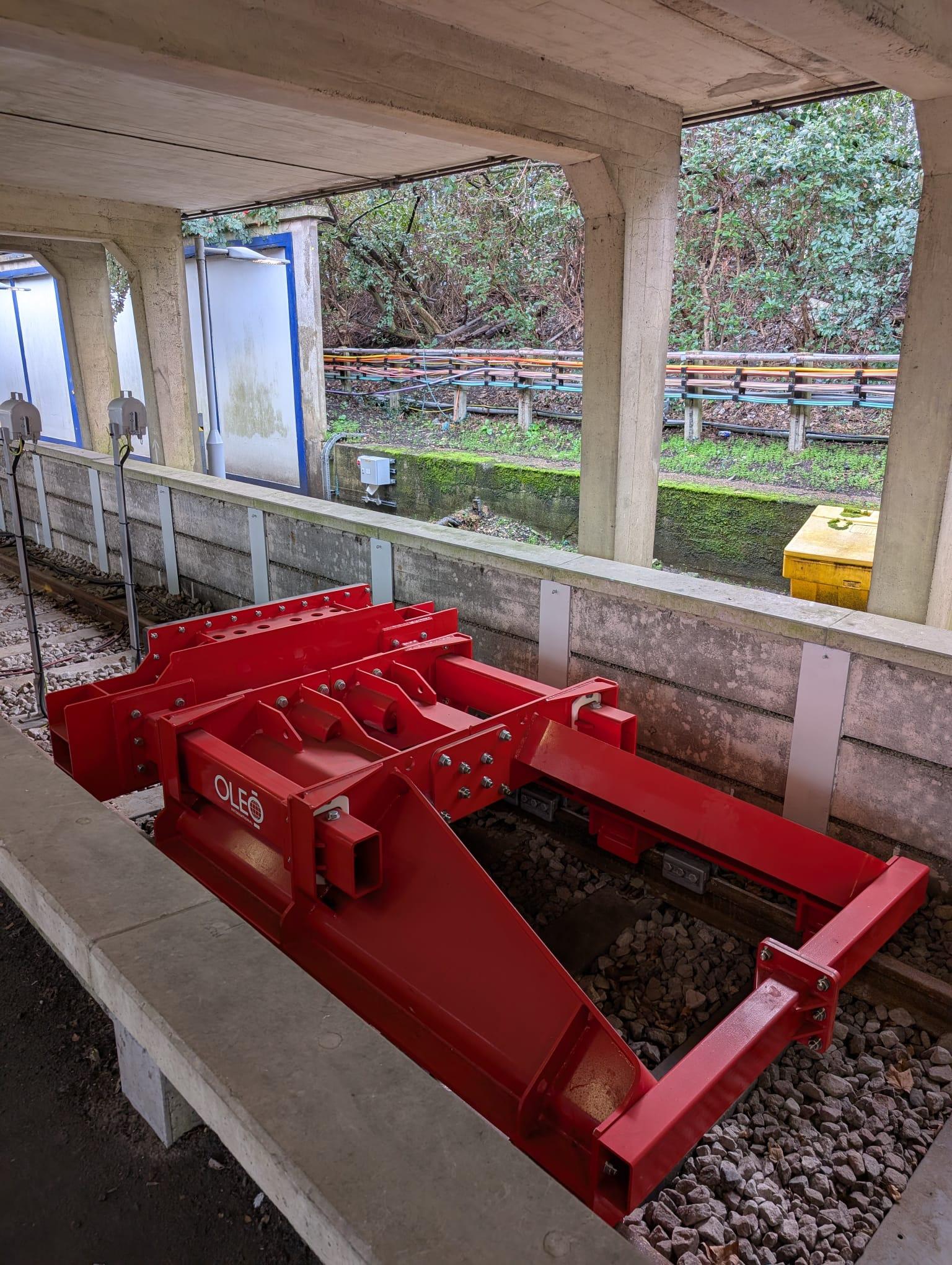
Oleo’s gas-hydraulic buffer stops combine high-efficiency hydraulic absorption cylinders with mechanical track-clamping friction shoes. When a train impacts the buffer head, the hydraulic cylinder immediately dissipates the initial impact energy, while the sliding friction shoes clamp onto the head of the running rails to provide controlled, continuous resistance as the unit moves along the track.
To tailor the hardware specifically for TfL’s track layout and fleet characteristics, detailed engineering impact analysis was performed to determine the precise number of friction shoe pairs required to safely arrest the train without over-decelerating the vehicle.
Hardware Specifications & Interface Setup
- Buffer Cylinder Unit: Oleo high-efficiency hydraulic cylinder paired with a rigid frame structure.
- Friction Shoe Configuration: Engineered with 3 pairs of precision track-clamping friction shoes.
- Front Coupler Interface: Compatible with Type 330 heads, 500 mm drawbar shanks, energy-absorbing pivot assemblies, and AM25-065 anti-climbers.
- Rake Masses Tested: Siemens 24TS (158,460kg) and 1973TS (159,873 kg).
CONCLUSION
The engineering validation confirmed that Oleo’s hydraulic friction buffer stop solution fully meets TfL’s strict operational and spatial requirements across Cockfosters, Wood Green, and Northfields:
- Optimised Track Footprint: By reducing the friction shoe requirement to 3 pairs, the total physical installation length was kept under well clear of TfL’s track occupancy restriction and maximum boundary.
- Controlled Energy Dissipation: The 3-pair shoe setup delivers smooth, controlled deceleration (), protecting rolling stock frame integrity and reducing stress on platform infrastructure.
- Long-Term Asset Protection: The 15 replacement Oleo buffer stops provide robust, low-maintenance overrun protection that seamlessly accommodates both legacy 1973TS fleets and modern 2024TS trains for decades to come.